Skip to content
RhhynsWellbeing

Life Skills

Academics are important, but that alone won’t see you through life.

Parent – Tales has done an in-depth analysis on what is needed for children to be well-rounded global citizens. Lifeskills topped the list.

Here we are bringing you some essential tips on adopting lifeskills that will help your children be confident, independent and well aware individuals.

Life Skill 1
1

Life Skill 1

Understanding self – tops the list of life skills.

Touching your body with your palms while keeping your eyes closed, makes a huge impact on your confidence. Self touch creates a sense of acceptance and self love.

Also, every fifteen days, sitting with a paper and pen and listing your strengths and things you want to improve , shall help you understand yourself much better. After-all, we can only understand what we are as a person and not others.

Try imbibing both the concepts in your child. The earlier – the better.

Accepting self with the flaws one has and inclination of working towards those flaws – helps a child to be connected with self and not seeking validation from others .

  • #lifeskills
  • #mentalhealth
Life Skill 2
2

Life Skill 2

One of the most important life skill for parents and their children.

Many of us have a severe disliking towards few parts of our body and that is constantly reflected in our communication with people.

Children tend to notice that and tend to start observing themselves from our point of view.

Hence, self acceptance is very important so that our esteem is not harmed neither our confidence

The children who have learnt this trait from their parents are the ones who are able to sustain themselves against all odds. Somewhere there mind and body are connected and hence when they are tagged for their body image or bullied, they are able to handle it well without getting affected.

How would you teach this trait to your child and how would you imbibe it within you?

Simple – self hug works wonders

Two – Everyday, giving 5 minutes to yourself is important. Sit with eyes closed and experience what is happening within, your thoughts and emotions

Three – Try to be mindful towards your ownself – continously judging self is a big crime and our children learn from us.

Be more aware of your emotions and watch your pattern of thoughts and fluctuations in feelings and emotions rising therein.

Happy accepting self

Life Skill 3
3

Life Skill 3

While most parents have heard that empathy is “a good thing,” there is not much clarity about the concept.

Empathy is the ability to put oneself in another person’s position, to imagine what it would be like to experience life from another person’s perspective, especially in terms of emotion. For children, empathy can prevent bullying, help them make friends, and help them receive help from others.

How would you instill the virtue of empathy in a child?

  • 1. Listen to your child when s/he wants to talk to you / express feelings and emotions
  • 2. Empathize with them when they actually need – I understand – is the mantra
  • 3. Talk about other people feelings and what support can be given in those situations
  • 4. Be empathetic towards others – let your child mirror you
  • 5. Talk in I language – it means share your emotions first and then the likes/dislikes about the incident
  • 6. Validate your child’s emotions. Accepting them and their emotions when they are experiencing difficult situations is very important
  • 7. Journaling about the emotions together works wonders
  • 8. I am sorry – how and why to be used – to be explained
  • 9. Be patient as your child learns the importance of empathy. It cannot be learnt overnight , remember that
  • #mentalhealth
  • #empathy
  • #children
  • #parenting
Life Skill 4
4

Life Skill 4

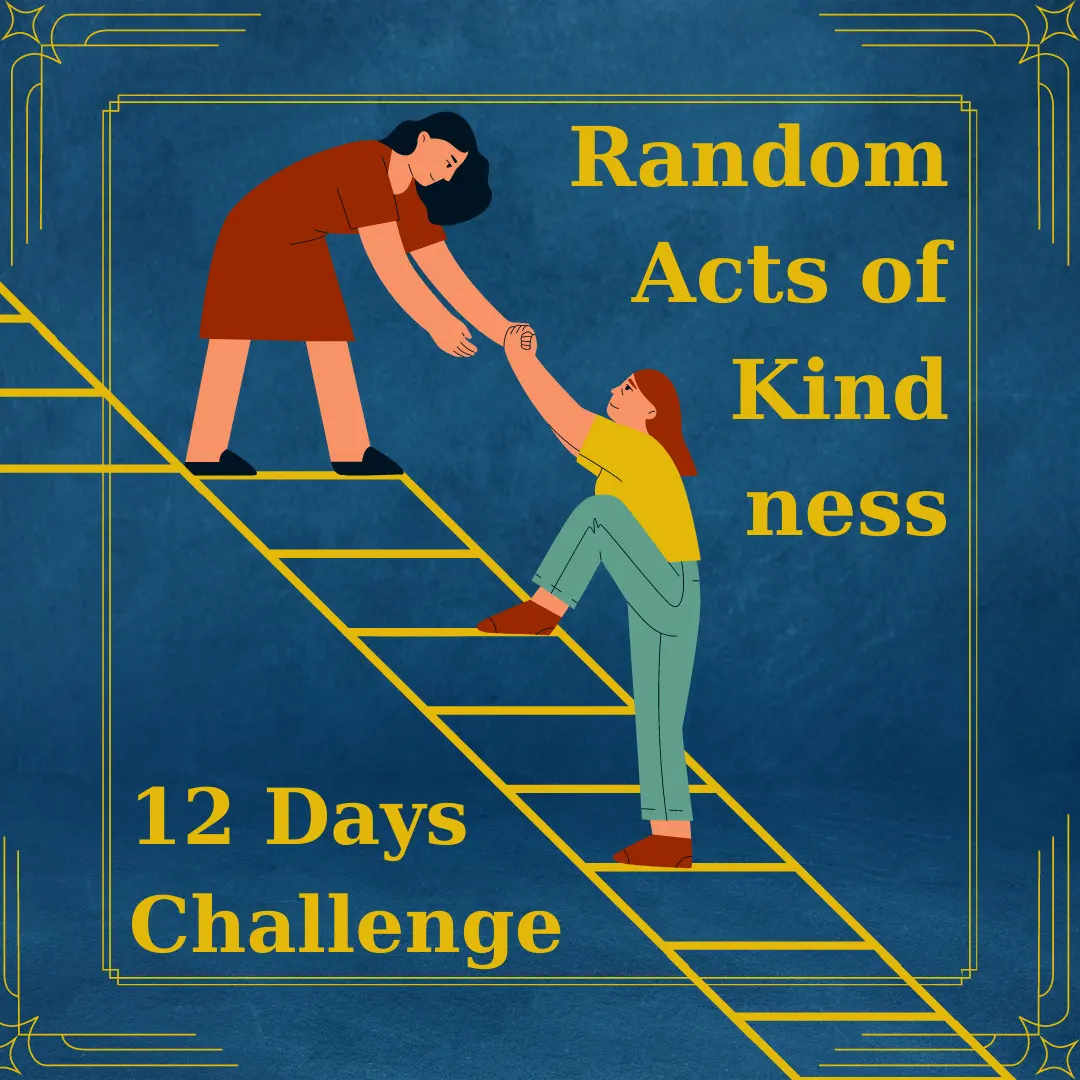
Kindness means having concern for others and being able to show that concern through our thoughts and actions. Just like for adults, kindness is very important for kids’ social connections and well-being.

Being kind makes us feel good and motivates us to perform more acts of kindness. This can have a very powerful impact. The physical feeling that accompanies giving—the “helper’s high” that is fueled by the release of endorphins—improves our children’s physical and emotional health.

How would you help your child to be kind?

Its no rocket science , parents…here are few tips:

  • 1. Let them mirror your acts of kindness
  • 2. Help them to develop empathy/ instill the Life skill of empathy in them
  • 3. Encourage children to give / share
  • 4. Help them to be doing things which are environment friendly
  • 5. Teach them – Respect
  • 6. Helping be a family affair then a solo affair
  • 7. Perform small acts of kindness, together
  • 8. Support them in their efforts and never criticize
  • 9. Share stories of kindness
  • 10. Keep that beautiful smile of yours -ON – believe in it and don’t fake it
  • #kindness
  • #mentalhealth
  • #parenting
Life Skill 5
5

Life Skill 5

Do you teach your children to conform to the desires and expectations of others? Or, do you teach them to follow their path, no matter the cost?

Conformity involves changing your behaviors in order to “fit in” or “go along” with the people around you. In some cases, this social influence might involve agreeing with or acting like the majority of people in a specific group, or it might involve behaving in a particular way in order to be perceived as “normal” by the group

Every parent has dreams and preferences about what their kids will achieve, what they value and how their interests will evolve. At some point, those dreams dissolve or probably parents try to achieve those through their children.

We watch our kids choose a different path, their path. There is a moment of panic. Oh no, what’s to become of him/her? There is a moment of guilt. I failed my child. There might even be a period of resolve. I need to try harder, impart more discipline, persuasion.

If you’re a mindful parent, you come to realize that you cannot control who your children become. They will become who they are meant to become. You can still steer them and guide them down their path, but it must be the path of their choosing.

Of course, some parents insist their children conform to their ideas of acceptable careers, college choices, living arrangements, friends, relationships, and just about every life choice. They’ll do everything in their power to make sure its followed as per their expectations and their child buys into their vision to become / select occupation the parent’s choice.

You probably know a parent or two like this. You might even be like this.

Ask yourself – are your creating a leader or a follower?

The kids who don’t conform are the most likely to get labeled problematic. We often go into “fix-it” mode— wanting to change the child who seems to be in the world differently than same-age peers. At times though, we may be trying to fix something simply because of our own grownup desires for convenience. Sometimes, those children with different ways of being in and viewing the world grow into adults who will lead society to advance in unexpected ways.

  • #parenting
  • #mentalhealth
  • #conform
  • #individuality
  • #selfesteem
Life Skill 6
6

Life Skill 6

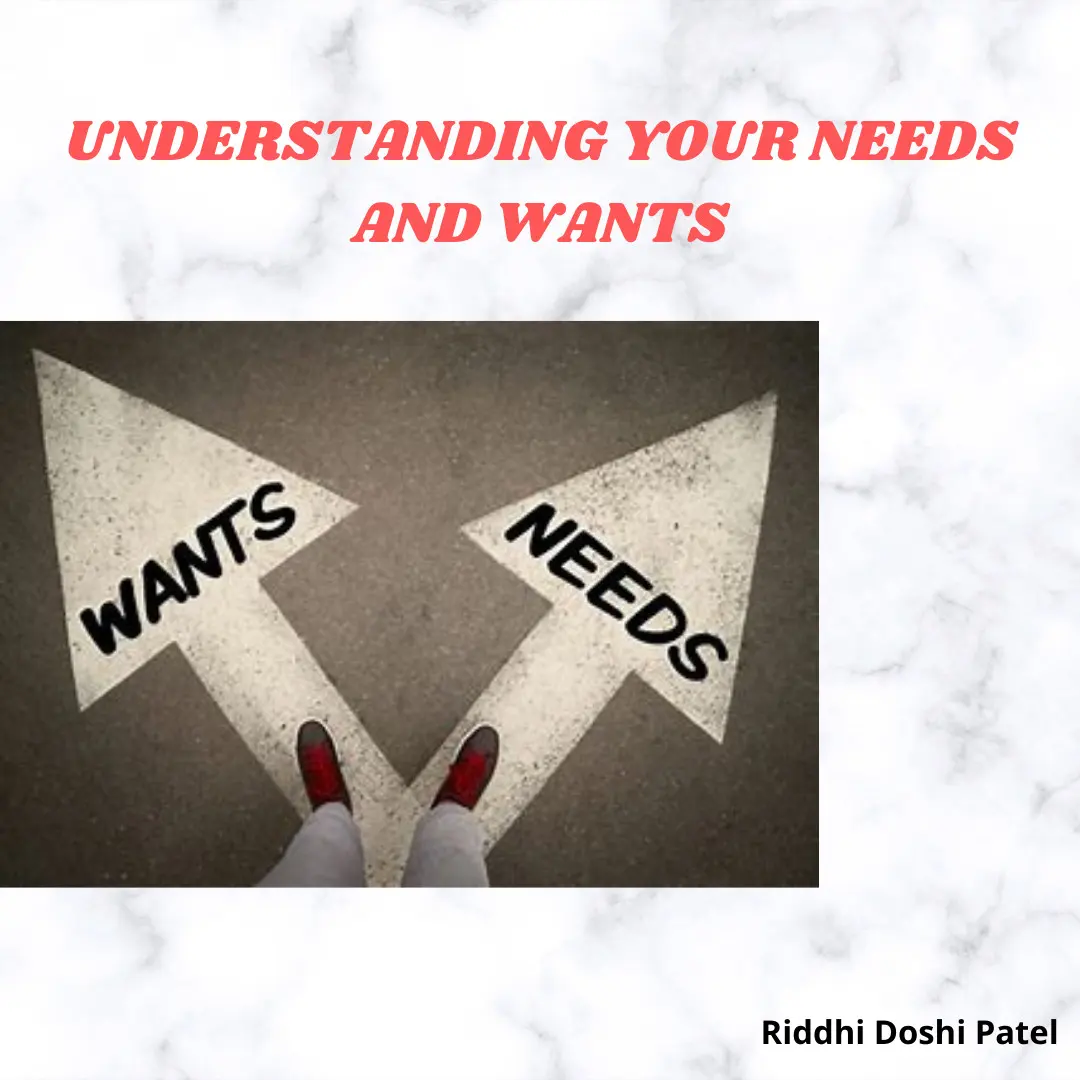
It’s important for children to understand the difference between needs and wants in order to live with gratitude, and to seek out meaningful relationships and uses of their time.

One of the best ways to teach your child to be content with what s/he has is to have regular discussions about needs and wants. A need is something people must have to survive and thrive. Talk about how food, shelter, clean water, transportation and literacy—the ability to read and write—are basic needs. A want is something people would like to have. Wants are all around us.

You might see your child’s eyes light up when she spots the toy at Hammleys or when you allow them to see Television.

How do you spotlight the differences between needs and wants?

Try the following and do share your experience:

  • 1. Involve the child in budgeting
  • 2. Allow the child to be with you while you are out for grocery shopping
  • 3. Be a role model and avoid impulsive shopping
  • 4. Make a wish jar along with your child
  • 5. Involve the child in entrepreneurship after 7 years
  • 6. Talk about money and piggy banks
  • 7. Empower them – small decisions matters- let them manage
  • #wants
  • #needs
  • #parenting
  • #mentalhealth
  • #children
Life Skill 7
7

Life Skill 7

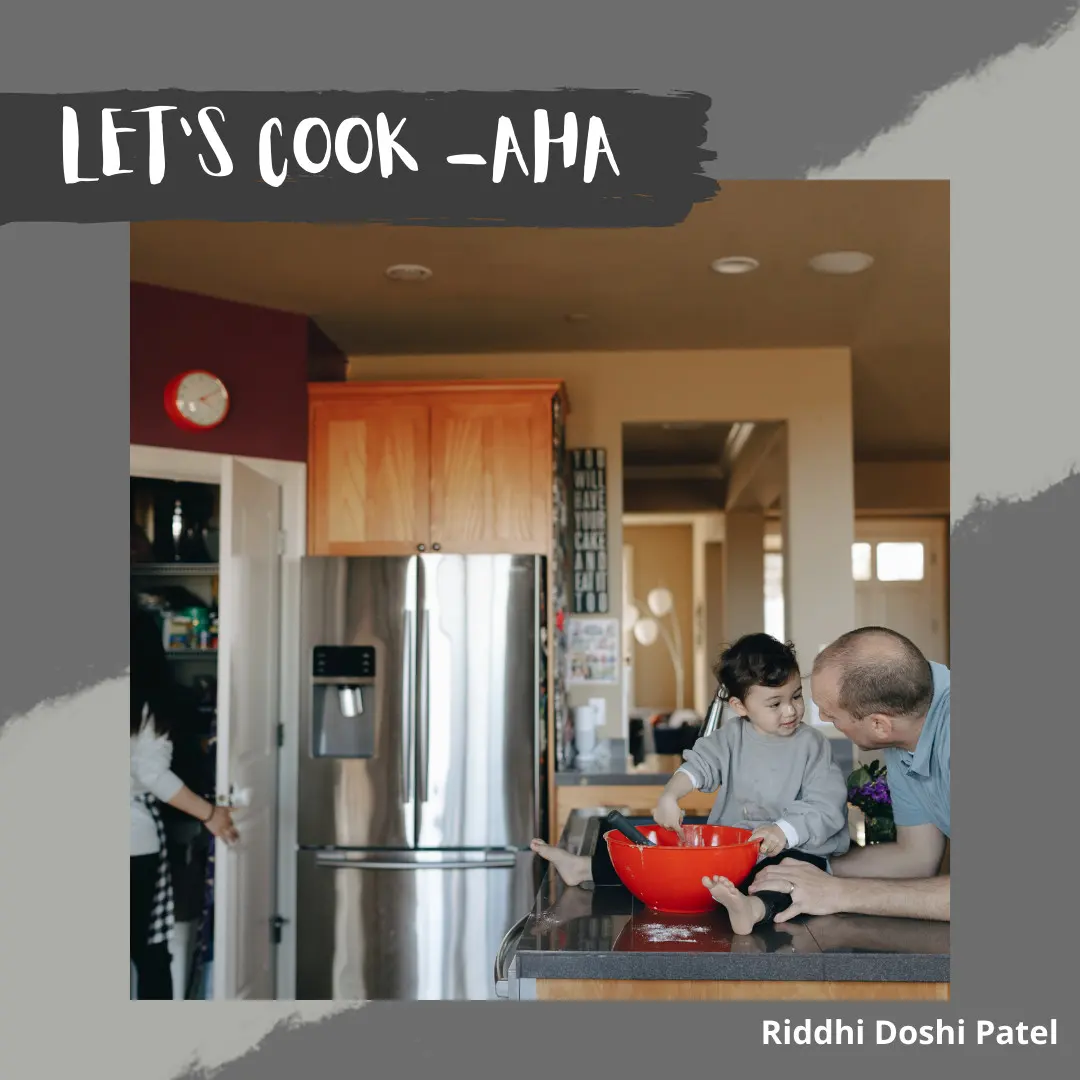
The skills that are essential in our life are considered life skills. In other words, ‘Life Skills’ refers to the skills that are necessary to make the most out of our life. The basic need of any human being is food; therefore, it is important to know how to cook food because it would help you in attaining a healthier and delightful life. You would achieve independence at least in feeding yourself. And children who have been included /taught cooking have never shown dislike towards any sort of food. They respect food,

For students studying away from home, cooking is an essential survival skill. But many don’t realize this before having to leave the nest, and some parents even think that teaching their children how to cook might somehow be demeaning. Teaching children how to cook is not only about making sure they know how to fill their stomachs, but also about helping them acquire a necessary life skill on the way to becoming self-reliant.

Tips to help children learn cooking for tender age :

  • 1. Allow them to be with you In the kitchen, albeit far from the gas stove
  • 2. Do cooking together
  • 3. Involve children in creating menu
  • 4. Understand their likings and disliking in food
  • 5. While making them eat food or they eating on their own, instead o f television, you may talk about grains, pulses, states with highest produce of grains and country’s staple food
  • 6. Start with no gas cooking like chocolate balls, sandwiches , leading to maggi (since children love that) salads, colorful arrangement of salads, vegetables chopping to rotis and then even marinating food
  • 7. Its ok if they try their hand on cooking and in turn make the place dirty -eventually they will learn how to keep it clean as well
  • 8. At least, this way, they will feel very independent and if they go abroad for their further studies, they might help them to be self-reliant
  • #lifeskills
  • #mentalhealth
  • #parenting
  • #children
Life Skill 8
8

Life Skill 8

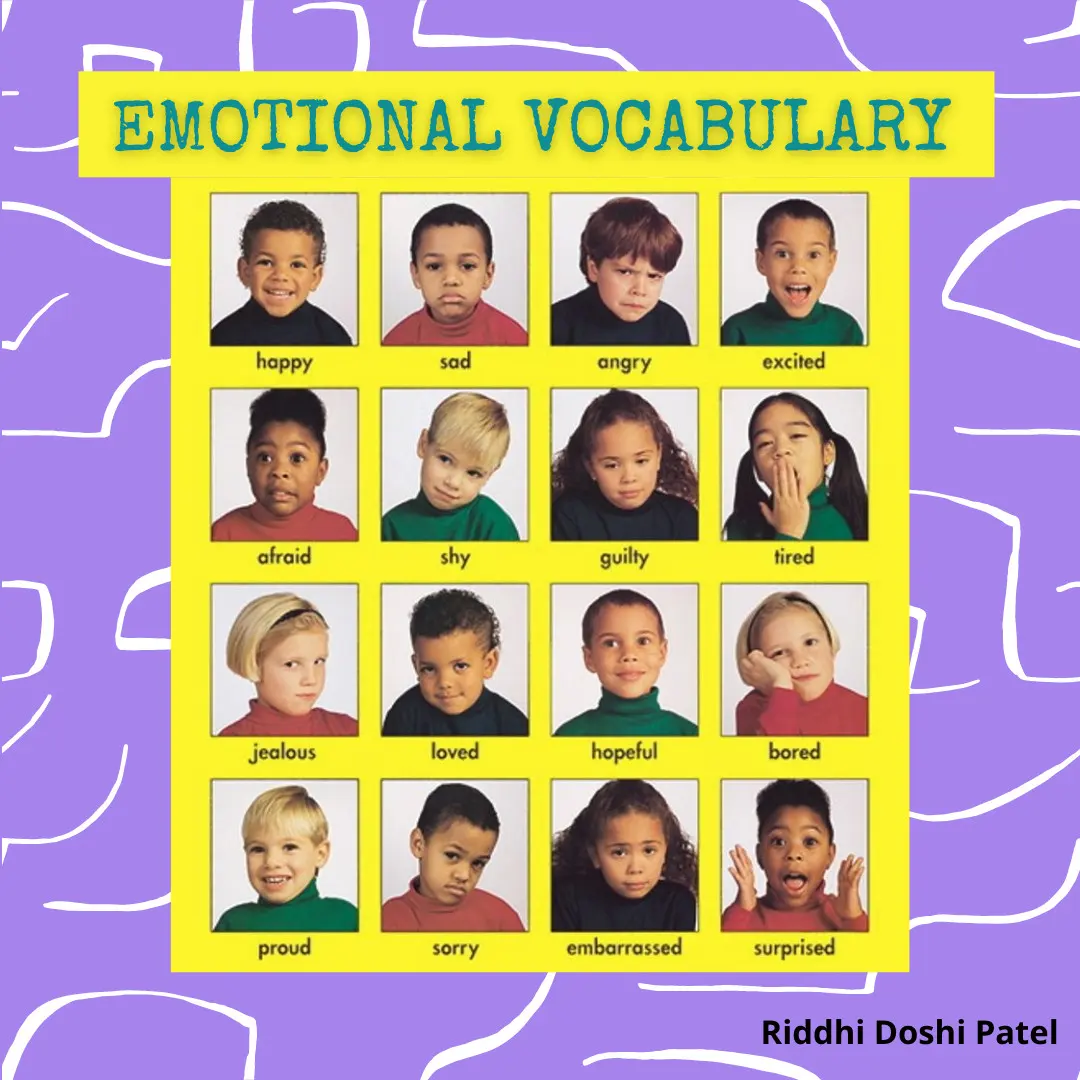
It’s important to develop an emotional vocabulary because it helps us know what we are feeling and gives us clues of what we need to do.

There are so many emotions we experience throughout our lives. Processing those feelings, truly understanding them and what they mean is an important part of personal growth and development.

For young children, when words don’t come easily, they often resort to the only way they know how to express their feelings…physically. For pre-school aged children, this can be exceedingly difficult because they are just entering a formal learning environment and atmosphere populated with other youngsters who are also lacking in the self-regulation department. So when the block tower tips over or a coveted toy is picked up by someone else, the tears and tantrums begin. So how can we help our kids find ways to cope? Experts say the best way is to help them find words.

It is vitally important to teach and empower children to use words to express their emotions. But of course, it is not always easy for them. They are still exploring their own feelings and encountering some for the first time.

It is important for us to help our kids develop a wide range of vocabulary for their emotions so they can accurately describe how they feel.

By intervening and teaching our kids how to expand their emotional vocabulary, they learn that there is a wide range of emotions between good and bad and that each emotion has its corresponding causes and consequences

As a child’s vocabulary is underdeveloped, they may not have the words to describe the difference between frustrated and annoyed, or scared and nervous. If we create a visual chart which incorporates the language around emotions, they begin to understand the difference between annoyed, upset, frustrated, angry and furious.

Few tips :

  • 1. I understand – use this sentence more often
  • 2. You may have a stick on chart on the soft board, having various feeling stickers kept there – allow your child and yourself to stick the emotion on the chart and it can be done multiple times in a day. See the pattern in your child and yourself and help accordingly
  • 3. Give synonyms for good – bad – sad
  • 4. Talk about your own feelings and emotions
  • 5. Listen when they want to talk – avoid judging them on their emotions and expressions
  • #emotions
  • #parenting
  • #mentalhealth
  • #expressions
Life Skill 9
9

Life Skill 9

Abb kya bolu – We parents preach about this a lot, to our children. Health is Wealth – here we always see physical health – what about mental health?

But Children observe us and follow us.

Not talking much about the WHY, let me share few tips on how to explain- how to inculcate:

  • 1. Let the child mirror you in maintaining healthy practices
  • 2. Once a while, take the child to a Nutritionist , who deals with children, to explain what food is important and what to minus
  • 3. Ensure that your child gets enough sleep
  • 4. Be mindful in your talks with your child and your behavior as well
  • 5. Be a role model in your behaviour
  • 6. Have family meditation time
  • 7. Have expressions Jar , where everybody can write and share their feelings/ emotions
  • 8. Promote good health beyond your family. Other adults may play a role in your child’s life, too. You can share ideas about healthy habits with them.
  • 9. What sort of beverages needs to be controlled? – explain and imbibe
  • 10. Parents always ask me – How can I help my child eat better? – Use less fat, salt, and sugar, that’s what I have learnt for Shilpa Mittal
  • 11. Once a week – detox from screens is must
  • 12. Physical activities – involve your child in some physical activity
  • #mentalhealth
  • #healthiswealth
  • #parenting
  • #children
  • #healthgoals
Life Skill 10
10

Life Skill 10

Soon, we would have Diwali Vacation and so, let us use that time to educate our children in few ways. Surely it is going to be teaching in fun way but its one of the most important life-skill.

Let’s understand the HOW:

  • While we intend to travel, involve your children in planning the tour/ destination.
  • Explain the geography, weather, people, dressing everything about that place
  • Give them options (structured options) to select from 2 places shortlisted
  • Let them choose one and understand from them – the WHY of it.
  • Give them a sperate bag , let them pack their own bag, albeit you can help them
  • Help them to make a check list to be prepared so that they don’t miss out on things
  • Before they do the packing explain what all activities will be available/done at the place you are visiting as a family
  • They learn while traveling how to accept different people, challenges, food and situations
  • People grow when they are out of their comfort zones, and while your holiday might be very comfortable materially, the new experiences will still take some getting used to for your child.
  • They go more responsible when you allot the responsibility on them – for eg – you will keep a record of the checklist , you will suggest what we all wear if we are the beach and so on
  • If your child is above 5 , teach them how to navigate through google maps
  • They go more flexible
  • They learn to create memories
  • Money and management is something you can initiate while you intend to travel
  • The last but not the list , they go more confident.

Have small small trips planned and involve your children . It is q very important skill to learn and in-turn your child is learning many more things .

  • #travel
  • #parenting
  • #children
  • #lifeskill
  • #WHO
Life Skill 11
11

Life Skill 11

“Time and tide wait for none” so often we have heard this quote but how many of us have given serious thought to it. Time management for kids is very important, every parent should be aware of. The child who is aware of time, its importance and how to manage it will always be successful in his/her tasks and ventures.

There are mainly two concepts – Linear and Flexible – if we adhere too much to the linear concept of time, we risk becoming inflexible and incapable of responding to unforeseen situations. On the other hand, if we lean towards the flexible mode, we run the risk of becoming unproductive and incapable of the following structure.

Few tips :

  • Toddlers and young children aren’t as conscious of time as adults are. However, they are sensitive to patterns and consistency . Parents can develop a sense of routine and consistency in toddlers by fixing times for eating, napping, and playing.
  • While the child starts with the schooling, you must teach your child how to read time from both digital and analog clocks, as both provide different experiences of relating to time and engage different areas of the brain.
  • With the introduction of scheduled homework, children begin to understand the importance of planning and managing their time
  • With the onset of teenage, children start developing their sense of self and thinking about how they fit into the world. It may be difficult to inculcate routine and punctuality at this stage, if not done earlier. Here the solution is that you can model the behavior they would like to see in their teenager
  • Adequate sleep is necessary for child’s growth, have a fixed time to sleep and wake up
  • Fixed time for screens and strict no-no before going to sleep.
  • While you play board games like chess/ Pictionary, introduce the concept of sand clock to a child
  • Explain the time quadrant while the child completes 9 years, albeit in age appropriate manner – what is priority work and what is not , what can be urgent and what is important and how do we overburden ourselves while we mix up the quadrants.
  • Having a To-Do list right from young age makes huge difference on the mental health of the child. The child doesn’t clutter his/her mind and is more relaxed and that certainly increases his/her confidence and concentration.
  • #time
  • #management
  • #children
  • #parenting
Life Skill 12
12

Life Skill 12

Day before yesterday, I was invited to join a Panel discussion as Speaker on the topic ‘Effect of Music on brain development and child behavior’ as prelude to the event that is organized on December 11th and 12th, 2021, by @TheBritishCarnaticChoir.

While we were discussing about effect of music on a child, there were some of the observations that were made. Listing down few of the advantages.

Also, I had done an experiment with music and art, 1.8 years back. I told a group of children to draw a picture of whatever they want. Then I started different genre’s of music while they worked and observed how that impacted the pictures they are drawing. After they finished, I made the children explain about their creations and what impact the music had on their work.

  • Improves Fine Motor Skills And Coordination
  • Music instruction appears to accelerate brain development in young children, particularly in the areas of the brain responsible for processing sound, language development, speech perception and reading skills, according to initial results of a five-year study by USC neuroscientists
  • Understands bonding in a better way
  • Certain life skills like communication/ teamwork/ interpersonal relations are automatically imbibed
  • Improves Language Development
  • Improves Focus And Memory
  • Improves Fundamental Math Skills
  • Improves Discipline
  • Improves

Self-Confidence And Self-Esteem

  • Music can be described as a sport. Learning to sing and keep rhythm develops coordination.

The air and wind power necessary to blow a flute, trumpet or saxophone promotes a healthy body.

  • It increases vocabulary of emotions, and that my dear friend Roshan Mansukhani has always been advocating.
  • It helps to improve their brainpower
  • It helps them develop social skills
  • It inspires creativity
  • It teaches them patience
  • #music
  • #parenting
  • #children
  • #musicmatters

Let’s Talk One-to-One

For any discussion or issue related to Child Therapy, Parent Counselling, Counselling for Child and Dance Movement Therapy Sessions for Corporate and individuals. We are here for you.